
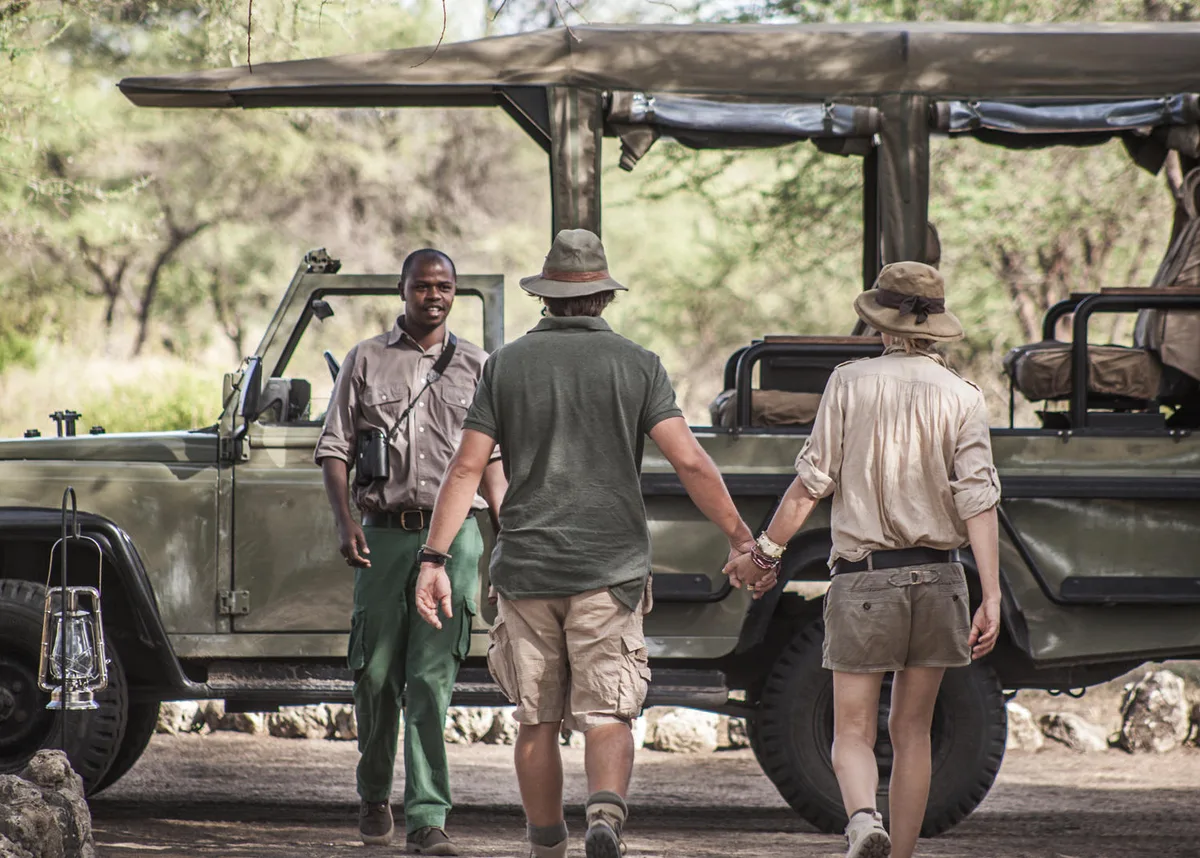
Travel Information
Everything you need to know before you travel with Polecat Safaris.
Your Tanzania safari travel guide
A safari is meant to feel effortless. From the moment you arrive in Tanzania to your final flight home, our aim is to make your journey comfortable, well prepared and wonderfully uncomplicated.
This guide covers the practical details you need before travelling with us — from luggage and clothing to weather, essential documents, health considerations and travelling between Tanzania and Zanzibar.
Pack lightly, travel comfortably and leave a little room for the memories you will take home.
Seasons
Seasons, and what the weather does
Tanzania is a year-round safari destination. The season you choose changes the safari more than anything else you will decide, so it comes first.
Month by month
Tanzania is a year-round safari destination, although the experience changes with the seasons.
-
December – March
Generally warm, with green landscapes and excellent conditions for wildlife viewing. This period also includes the spectacular calving season in the southern Serengeti ecosystem.
-
April – May
The traditional long-rain period. Landscapes become exceptionally lush and dramatic, with fewer visitors in many areas. Rainfall can vary considerably from year to year.
-
June – October
The main dry season, bringing generally clear skies, drier landscapes and excellent wildlife viewing. It is also a popular period for the Great Migration in the northern Serengeti, depending on the movement of the herds.
-
November – early December
The short rains refresh the landscape, bringing new greenery and beautiful skies. Wildlife remains present, while visitor numbers can be lower in many areas.
Average temperatures
| Period | Average daytime | Average night |
|---|---|---|
| January – March | Around 28°C / 83°F | Around 14°C / 57°F |
| April – June | Around 23°C / 74°F | Around 12–14°C / 54–57°F |
| July – September | Around 25°C / 77°F | Around 12°C / 54°F |
| October – December | Around 27°C / 81°F | Around 14°C / 57°F |
What to pack
What to pack
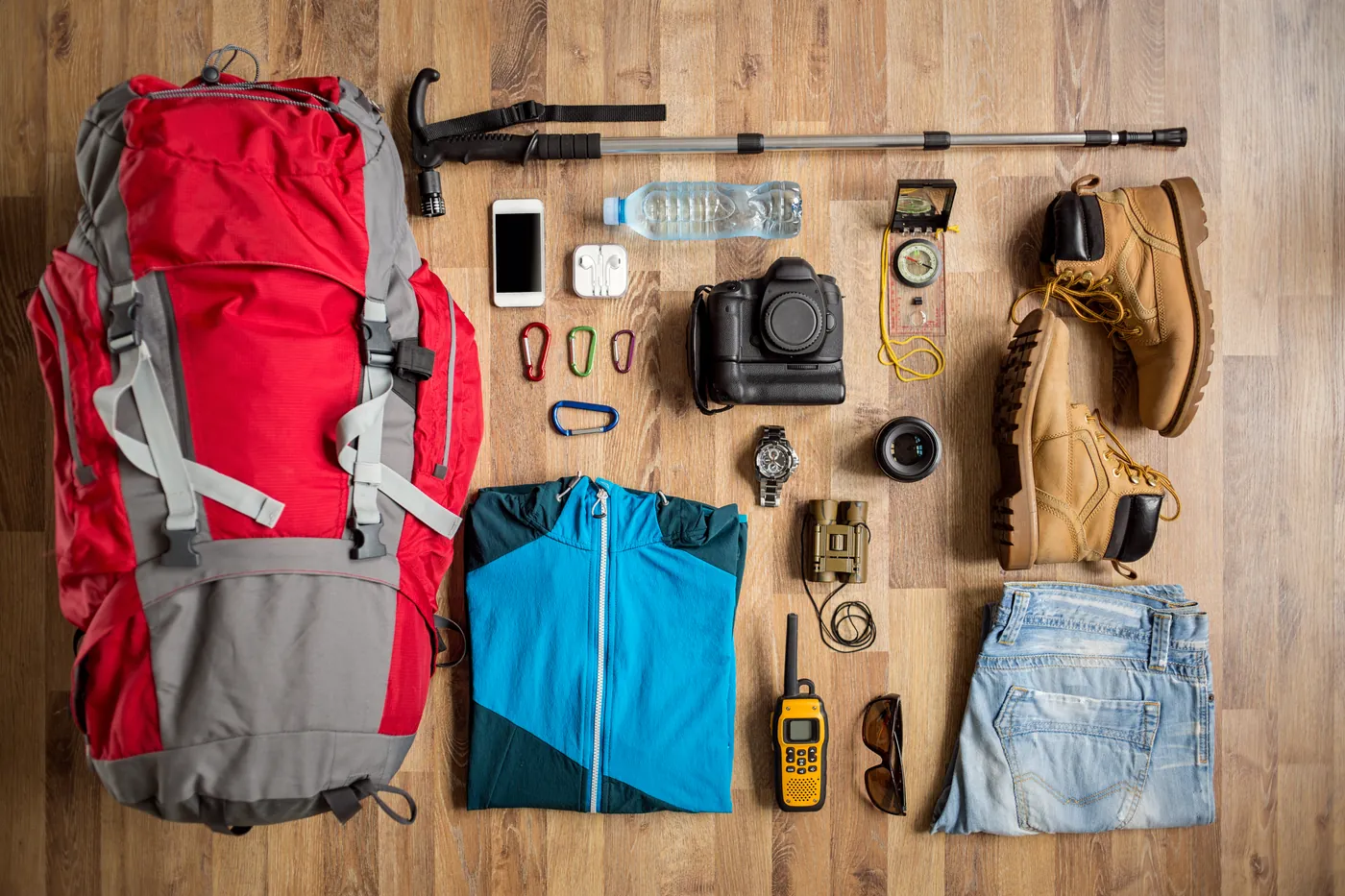
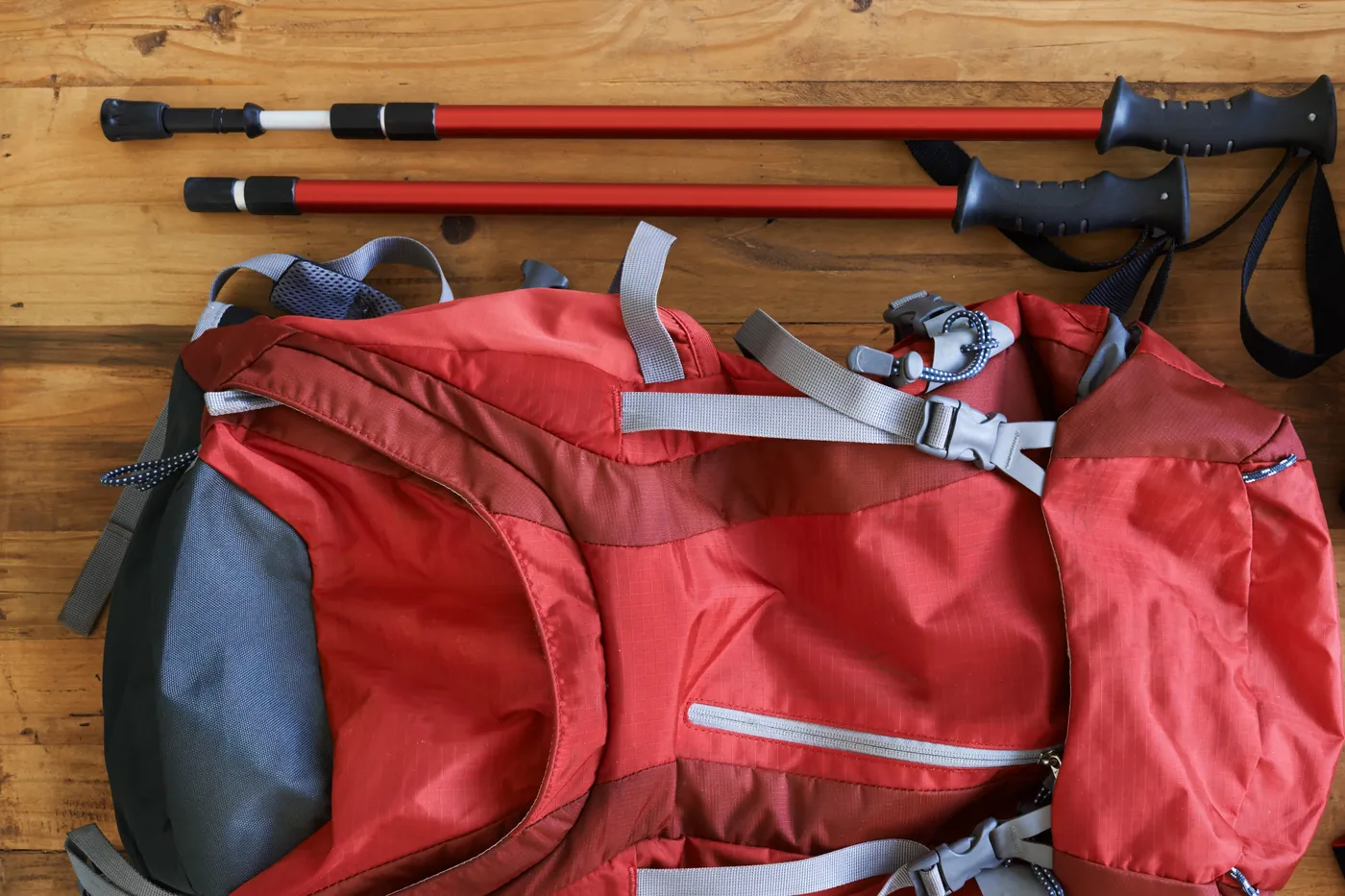
Soft bags, neutral colours, layers, and less than you think. Laundry at the camps does the rest.
Luggage allowance
If your safari includes light aircraft flights, luggage allowances are generally more restricted than on international flights.
We recommend travelling with
- One soft-sided duffel bag per person
- Approximately 15 kg (33 lbs) per person, including hand luggage, where this is the applicable airline allowance
- A maximum linear dimension of approximately 158 cm / 62 inches, where applicable
- A small daypack or handbag for items you need during the day
Soft bags are strongly recommended. They are easier to store in safari vehicles and aircraft luggage compartments than hard suitcases.
What to keep in your daypack
Keep your most important personal items easily accessible.
- Passport and travel documents
- Wallet and money
- Medication
- Sunglasses
- Camera and phone
- Water bottle
- Binoculars
- A light jacket or fleece
- Any personal essentials you may need during the day
Travelling with excess luggage?
If you are combining a safari with Zanzibar or another destination and need additional luggage, speak to us before your trip. We can advise you on practical luggage arrangements based on your itinerary.
What to wear on safari
Safari clothing does not need to be complicated. Think light, comfortable and practical.
Neutral and earthy colours such as khaki, beige, olive, brown and soft grey work particularly well in the bush. They are comfortable for game drives and blend naturally into the environment.
Avoid excessively bright colours and camouflage-style clothing.
Layering is the secret
Tanzania can feel surprisingly cool during early-morning game drives and warm during the afternoon. Rather than packing one heavy jacket, bring several lightweight layers that you can add or remove throughout the day.
Suggested safari wardrobe
- 3 pairs of lightweight trousers
- 2–3 pairs of comfortable shorts
- 2 long-sleeved shirts
- 2 short-sleeved shirts or T-shirts
- 2 lightweight undershirts
- Lightweight fleece or sweater
- Light windbreaker or bush jacket
- Lightweight rain jacket
- Comfortable walking shoes
- Lightweight hiking shoes or boots, if your itinerary includes walking
- Sandals or flip-flops
- Swimwear
- Comfortable sleepwear
- Socks and underwear
- Sun hat or wide-brimmed hat
- Scarf or buff
- Comfortable activewear
Toiletries and personal care
Our lodges and camps provide many essential bathroom amenities, but guests with preferred brands or specific personal requirements should bring their own.
Useful items to pack
- Toothbrush and toothpaste
- Dental floss
- Deodorant
- Shampoo and conditioner, if you prefer your own
- Body lotion
- Personal soap
- Sunscreen
- Lip balm with SPF
- Insect repellent
- Hairbrush or comb
- Shaving kit
- Personal cosmetics
- Feminine hygiene products
- Contact lenses, solution and case
- Spare glasses
- Prescription medication
- Small personal first-aid kit
- Any medication for allergies, headaches or other minor conditions
- Small sewing kit
Safari essentials
A few things make a safari considerably more comfortable — and help you capture those unforgettable moments.
We recommend bringing
- Sunglasses
- Sunscreen
- Binoculars
- Camera and spare batteries
- Extra memory cards
- Phone and charging cable
- Power bank
- Universal travel adapter
- Headphones
- Small flashlight or headlamp
- Reusable water bottle
- Journal or notebook
- Pen
- Small daypack
And, of course, your sense of curiosity. You never quite know what the next bend in the road will reveal.
Questions
Questions we are asked
Health, money, visas and the local rules. Where an answer depends on your nationality or your doctor, we say so rather than answer for them.
- Do I need to take anything for malaria?
-
Malaria occurs in Tanzania, and the answer depends on you rather than on the itinerary — so it is a question for a qualified travel-health professional well before you fly, not for us.
Speak to them about prevention and about any recommended medication, and keep whatever you are prescribed in your hand luggage rather than your checked bag.
- Will I need a yellow fever certificate?
-
It depends on where you have been. If you are travelling from, or have recently transited through, a country where yellow fever transmission occurs, you may be required to show a valid vaccination certificate on entry to Tanzania.
Requirements change, so check the latest official guidance for your route before departure.
- What should my travel insurance cover?
-
We strongly recommend comprehensive cover, and for safari travel it is worth checking the policy specifically covers the activities on your itinerary — walking safaris, balloon flights and trekking are the ones policies tend to exclude.
- Medical treatment
- Emergency evacuation
- Trip cancellation or interruption
- Lost or delayed luggage
- Personal belongings
- Is travel insurance compulsory for Zanzibar?
-
Zanzibar has had its own entry and travel-insurance requirements, and they have changed more than once. Check the current rules before departure.
If your itinerary includes Zanzibar, we will tell you what applies to your trip and your nationality as part of your final travel documents.
- Do I need a visa?
-
Depending on your nationality, yes. Where a visa applies we recommend arranging it before travelling and checking the latest official immigration requirements well in advance.
Your passport also needs sufficient remaining validity and blank pages for immigration. We can guide you through the general process, but approval and entry are decisions for the Tanzanian authorities, not for us.
- What money should I bring?
-
The official currency is the Tanzanian Shilling (TZS), and US dollars are widely used across the tourism industry. Cards work where they are accepted.
Bring some small-denomination US dollar notes for personal expenses and tipping, and check they meet current acceptance requirements — older or damaged notes are often refused.
- How does tipping work?
-
Tipping is not compulsory. It is customary as a way of showing appreciation for good service, and the amount is entirely yours to decide.
We would encourage you to think about the whole team rather than only the guide — camp and lodge staff, chefs, porters and the people you do not see. Your safari consultant can give you current guidance for your itinerary and the style of accommodation on it.
- Can I bring a drone?
-
Not unless you have the appropriate permits. Drone regulations in Tanzania are strict, and the penalties are real.
Even with permission, a drone is never to be flown over wildlife, people, protected areas or safari vehicles without the required authorisation. Assume the answer is no and ask us before you pack one.
- Is there anything I should not pack?
-
Tanzania restricts certain single-use plastic items, so leave unnecessary plastic packaging at home and bring reusable alternatives — a refillable water bottle above all.
Camouflage-style clothing is also best left behind: it is associated with the military here and can cause problems that have nothing to do with fashion.
- Will I have phone signal or Wi-Fi?
-
Often, but not reliably. Many of our vehicles and lodges have mobile coverage or Wi-Fi, and it varies a great deal in remote areas. Where a Tanzanian SIM or internet access is part of your package we will arrange it.
Some of the best moments out there happen with the phone away, and the coverage gaps are not the worst thing about a safari.
Before you fly
Before you fly
What to carry, what to leave a copy of, and how to arrive in a state to enjoy the first morning.
What to carry with you
A little preparation before leaving home makes a big difference once you arrive in Africa.
Keep your essential documents together in a secure and easily accessible travel pouch.
We recommend carrying
- Valid passport
- Tanzania visa, where required
- International flight details
- Domestic flight confirmations
- Travel and medical insurance information
- Emergency contact details
- Copies of important documents
- Credit and debit cards
- Some US dollars in cash
- Any required health certificates
- Prescription medication
- Personal identification
Preventing jet lag and dehydration
After a long international flight, your body may need some time to adjust to East Africa Time (GMT+3). A few simple habits help.
-
Start adjusting before departure
Gradually move your sleeping and meal schedule closer to Tanzania time if that is practical.
-
Stay hydrated
Drink water regularly before, during and after your flight.
-
Sleep well
Arriving well rested makes the first days of your safari more enjoyable.
-
Limit alcohol
Alcohol can contribute to dehydration and disturb your sleep.
-
Enjoy natural light
Spending time outdoors after arrival can help your body adjust to the new time zone.
-
Move during your flight
Stretch your legs and move around periodically on a long flight.
-
Eat lightly
Choose nutritious meals and avoid excessively heavy or salty food.
-
Pack your flight essentials
A neck pillow, eye mask, headphones and comfortable clothing make a long journey easier.
-
Give yourself time
Where your itinerary allows, avoid planning an exhausting activity immediately after a long international flight.
-
Listen to your body
A safari is not a race. Rest when you need to and enjoy the journey at your own pace.
While You Are Travelling With Us
You are not handed an itinerary and left to it
Once you arrive in Tanzania, our team is here to support you throughout your journey. If you need assistance during your safari, contact your Polecat Safaris client handling team or your safari consultant.
For urgent situations, use the emergency contact details provided in your final travel documents. For anything less urgent, WhatsApp is usually the quickest way to reach us.
One Last Thing Before You Pack
Travel light. Travel comfortably. And leave room for Africa.
Do not worry about bringing everything. Bring what you need, leave room for comfort, and remember that Tanzania is not only about ticking animals off a list.
It is about the cool air of an early-morning game drive, the sound of a lion somewhere beyond the vehicle, the colour of the Serengeti after rain, a quiet sundowner beneath an endless sky, and the people you meet along the way.
Welcome to Tanzania.
Polecat Safaris — Travel Deep. Feel More.
Next Step
Still deciding when to come?
The seasons above change the safari more than anything else you will choose. Tell us roughly what you have in mind and we will write back with a draft itinerary built around the right months.
Stay In Touch
Letters from the wild places
Camp news, new routes and the occasional photograph worth stopping for. Six times a year, never more.